0-1 Product
0-1 Product
0-1 Product
STARTUP
STARTUP
STARTUP
SAAS
SAAS
SAAS
8 MONTH MVP
8 MO MVP
8 MONTH MVP
Building the product that logistics forgot to make.
Building the product that logistics forgot to make.
Building the product that logistics forgot to make.
Eight months. One designer. Five products. This is how Ascend went from a vision on a whiteboard to a signed contract with a $1B enterprise client before the product even shipped.
Eight months. One designer. Five products. This is how Ascend went from a vision on a whiteboard to a signed contract with a $1B enterprise client before the product even shipped.
8 months
8 months
8 months
zero to signed contract
zero to signed contract
zero to signed contract
$1.5 B
$1.5 B
$1.5 B
first client valuation
first client valuation
first client valuation
6
6
6
Products built
and launched
Products built
and launched
Products built
and launched
Timeline
Timeline
8 months
8 months
Role
Role
Founding Designer · Solo
Founding Designer · Solo
Company
Company
Ascend Cargo Systems · Startup
Ascend Cargo Systems · Startup
Team
Team
3 PMs · 14 Engineers · 4 Advisors · CEO
3 PMs · 14 Engineers · 4 Advisors · CEO
Chapter 01 · The problem — three stats, The reoccurring narrative
Chapter 01 · The problem — three stats, The reoccurring narrative
8 to 15 platforms to move billions in cargo. Nobody designed it that way. Nobody designed it at all.
8 to 15 platforms to move billions in cargo. Nobody designed it that way. Nobody designed it at all.
8 to 15 platforms to move billions in cargo. Nobody designed it that way. Nobody designed it at all.
I started where any good research does, with the people who’d spent decades inside the industry. Advisors. Planners. Dispatchers. People who’d built entire careers moving cargo and learning to work around the tools that were supposed to help them.
What they described wasn’t a technology problem. The numbers told part of the story.
I started where any good research does, with the people who’d spent decades inside the industry. Advisors. Planners. Dispatchers. People who’d built entire careers moving cargo and learning to work around the tools that were supposed to help them.
What they described wasn’t a technology problem. The numbers told part of the story.
I started where any good research does, with the people who’d spent decades inside the industry. Advisors. Planners. Dispatchers. People who’d built entire careers moving cargo and learning to work around the tools that were supposed to help them.
What they described wasn’t a technology problem. The numbers told part of the story.
37%
37%
of providers run 8-15 tech platforms to manage logistics
of providers run 8-15 tech platforms to manage logistics
of providers run 8-15 tech platforms to manage logistics
80%
80%
struggled with ROI when implementing digital logistics
struggled with ROI when implementing digital logistics
struggled with ROI when implementing digital logistics
60%
60%
cited cost as the biggest barrier to transformation
cited cost as the biggest barrier to transformation
cited cost as the biggest barrier to transformation
But the human picture was clearer. One job — move the shipment, prevent the blocker, get the cargo where it needed to go. Across 8 to 15 platforms that never talked to each other. The tools hadn’t been designed to work together. So the people using them had learned to carry the gap themselves.
Then I looked at the tools firsthand. Same layouts across platforms. Different interactions on every one. I came in as a first timer and got lost — not because the work was complex, but because nobody had ever gone back to make it easier.
But the human picture was clearer. One job — move the shipment, prevent the blocker, get the cargo where it needed to go. Across 8 to 15 platforms that never talked to each other. The tools hadn’t been designed to work together. So the people using them had learned to carry the gap themselves.
Then I looked at the tools firsthand. Same layouts across platforms. Different interactions on every one. I came in as a first timer and got lost — not because the work was complex, but because nobody had ever gone back to make it easier.
But the human picture was clearer. One job — move the shipment, prevent the blocker, get the cargo where it needed to go. Across 8 to 15 platforms that never talked to each other. The tools hadn’t been designed to work together. So the people using them had learned to carry the gap themselves.
Then I looked at the tools firsthand. Same layouts across platforms. Different interactions on every one. I came in as a first timer and got lost — not because the work was complex, but because nobody had ever gone back to make it easier.
“The work was unified. The tools weren’t. Nobody had tried to design something that held it all together.”
“The work was unified. The tools weren’t. Nobody had tried to design something that held it all together.”
“The work was unified. The tools weren’t. Nobody had tried to design something that held it all together.”
“The work was unified. The tools weren’t. Nobody had tried to design something that held it all together.”
That was the gap that needed filling. That was Ascend.
That was the gap that needed filling. That was Ascend.
That was the gap that needed filling. That was Ascend.
That was the gap that needed filling. That was Ascend.
That was the gap that needed filling. That was Ascend.

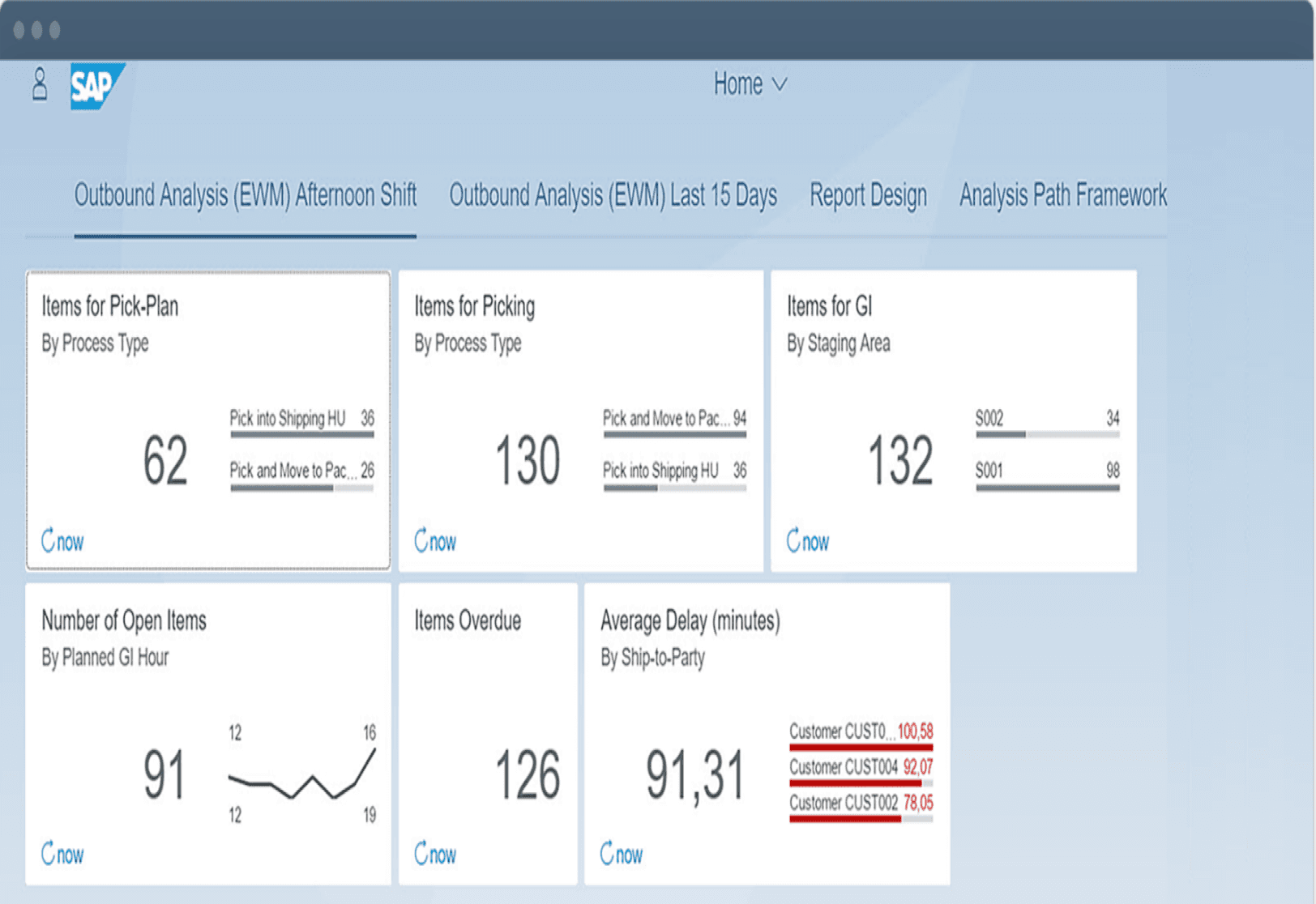
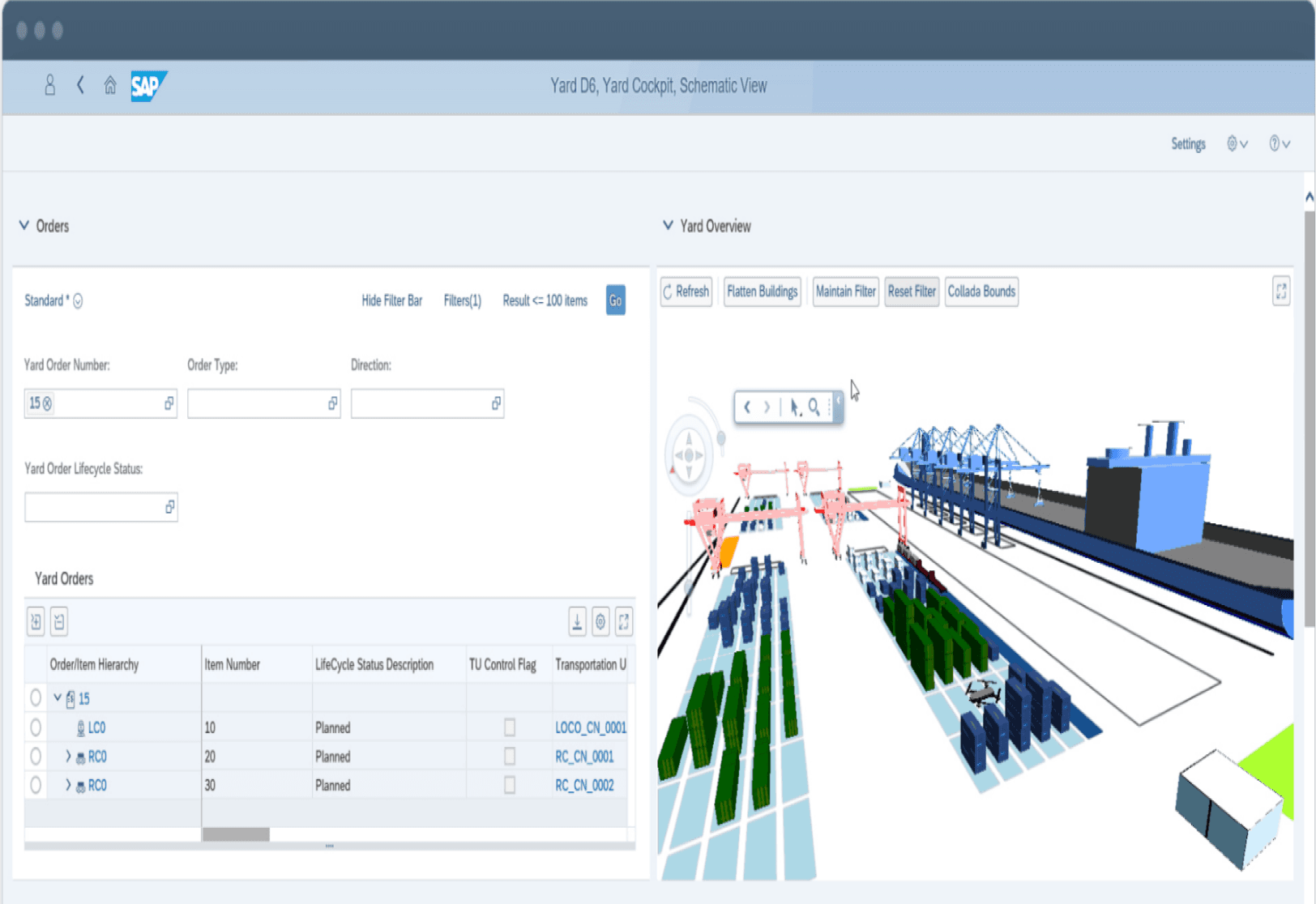
This is what the industry was working with.
This is what the industry was working with.
Chapter 02 · My entry point — A vision
Chapter 02 · My entry point — A vision
No product. No design system. No design team. No team. First hire. Just a founder’s vision, a runway, and 8 months to prove it could exist.
No product. No design system. No design team. No team. First hire. Just a founder’s vision, a runway, and 8 months to prove it could exist.
No product. No design system. No design team. No team. First hire. Just a founder’s vision, a runway, and 8 months to prove it could exist.
No product. No design system. No design team. No team. First hire. Just a founder’s vision, a runway, and 8 months to prove it could exist.
I was holding the design vision across 3 PMs, 12 to 14 engineers, 4 advisors, a CEO and a CTO. Each with their own priorities, their own timelines. PMs didn’t always see how their products connected. Engineers made design calls when I wasn’t in the room. Sometimes I found out a feature was being built in the daily standup.
I was holding the design vision across 3 PMs, 12 to 14 engineers, 4 advisors, a CEO and a CTO. Each with their own priorities, their own timelines. PMs didn’t always see how their products connected. Engineers made design calls when I wasn’t in the room. Sometimes I found out a feature was being built in the daily standup.
I was holding the design vision across 3 PMs, 12 to 14 engineers, 4 advisors, a CEO and a CTO. Each with their own priorities, their own timelines. PMs didn’t always see how their products connected. Engineers made design calls when I wasn’t in the room. Sometimes I found out a feature was being built in the daily standup.
There was no backup. There was just me.
There was no backup. There was just me.
There was no backup. There was just me.
There was no backup. There was just me.
Early on I started pushing back — not on the people, on the process. I created documentation that detailed how things should work step by step. I stressed design reviews. I built a communication rhythm that didn’t exist when I arrived. Not because it was asked of me — because without it the design would keep breaking in the gaps between conversations.
Early on I started pushing back — not on the people, on the process. I created documentation that detailed how things should work step by step. I stressed design reviews. I built a communication rhythm that didn’t exist when I arrived. Not because it was asked of me — because without it the design would keep breaking in the gaps between conversations.
Early on I started pushing back — not on the people, on the process. I created documentation that detailed how things should work step by step. I stressed design reviews. I built a communication rhythm that didn’t exist when I arrived. Not because it was asked of me — because without it the design would keep breaking in the gaps between conversations.


“Sketching immediately after the meeting or sometimes in the standup.”
“Sketching immediately after the meeting or sometimes in the standup.”
“Sketching immediately after the meeting or sometimes in the standup.”
This was necessary to build a foundation . Without it, the design would keep breaking in the gaps between conversations.
This was necessary to build a foundation . Without it, the design would keep breaking in the gaps between conversations.
This was necessary to build a foundation . Without it, the design would keep breaking in the gaps between conversations.
THE DESIGN DECISION-building process as a design act
THE DESIGN DECISION-building process as a design act
THE DESIGN DECISION-building process as a design act
In a team moving this fast, the absence of process was itself a design problem. Every undocumented decision was a future pivot. Every missed review was a screen that would need rebuilding. Creating structure wasn’t overhead — it was how the work stayed coherent.
In a team moving this fast, the absence of process was itself a design problem. Every undocumented decision was a future pivot. Every missed review was a screen that would need rebuilding. Creating structure wasn’t overhead — it was how the work stayed coherent.
In a team moving this fast, the absence of process was itself a design problem. Every undocumented decision was a future pivot. Every missed review was a screen that would need rebuilding. Creating structure wasn’t overhead — it was how the work stayed coherent.
Chapter 03 · Research & discovery — insights
Chapter 03 · Research & discovery — insights
What I found
What I found
What I found
Every conversation pointed to the same story: an industry moving billions of dollars of cargo, held together by tools that were never designed to work together, or for the people using them.
Every conversation pointed to the same story: an industry moving billions of dollars of cargo, held together by tools that were never designed to work together, or for the people using them.
Every conversation pointed to the same story: an industry moving billions of dollars of cargo, held together by tools that were never designed to work together, or for the people using them.
Every conversation pointed to the same story: an industry moving billions of dollars of cargo, held together by tools that were never designed to work together, or for the people using them.
Fragmentation at the workflow level
Fragmentation at the workflow level
Fragmentation at the workflow level
8 to 15 platforms per order. Not because the work required it — because no single tool had ever tried to hold it together.
8 to 15 platforms per order. Not because the work required it — because no single tool had ever tried to hold it together.
8 to 15 platforms per order. Not because the work required it — because no single tool had ever tried to hold it together.
The onboarding tax
The onboarding tax
The onboarding tax
The onboarding tax
New hires spent weeks learning software before they could do the job. The learning curve wasn’t logistics. It was survival.
New hires spent weeks learning software before they could do the job. The learning curve wasn’t logistics. It was survival.
New hires spent weeks learning software before they could do the job. The learning curve wasn’t logistics. It was survival.
Workarounds as the default
Workarounds as the default
Workarounds as the default
Workarounds as the default
People had built shadow workflows just to do what the tools should have done. They were smart enough to solve it.
They shouldn’t have had to.
People had built shadow workflows just to do what the tools should have done. They were smart enough to solve it.
They shouldn’t have had to.
People had built shadow workflows just to do what the tools should have done. They were smart enough to solve it.
They shouldn’t have had to.
THE DESIGN DECISION-cognitive load as the filter
THE DESIGN DECISION-cognitive load as the filter
THE DESIGN DECISION-cognitive load as the filter
If a feature didn’t reduce decision friction it didn’t belong on screen. Not a nice to have — the product’s entire reason for existing. Every module built with that filter before anything went into Figma.
If a feature didn’t reduce decision friction it didn’t belong on screen. Not a nice to have — the product’s entire reason for existing. Every module built with that filter before anything went into Figma.
If a feature didn’t reduce decision friction it didn’t belong on screen. Not a nice to have — the product’s entire reason for existing. Every module built with that filter before anything went into Figma.
The research kept returning to one finding. People didn’t need more information. They needed the right information at the right moment, with enough context to act on it confidently.
The research kept returning to one finding. People didn’t need more information. They needed the right information at the right moment, with enough context to act on it confidently.
The research kept returning to one finding. People didn’t need more information. They needed the right information at the right moment, with enough context to act on it confidently.
One person. One job or many. Too many systems standing in the way of all of it.
That was what Ascend was built to fix.
One person. One job or many. Too many systems standing in the way of all of it.
That was what Ascend was built to fix.
One person. One job or many. Too many systems standing in the way of all of it.
That was what Ascend was built to fix.
One person. One job or many. Too many systems standing in the way of all of it.
That was what Ascend was built to fix.
One person. One job or many. Too many systems standing in the way of all of it.
That was what Ascend was built to fix.
Chapter 04 · what these design decisions led to
Chapter 04 · what these design decisions led to
The decisions that defined the product
The decisions that defined the product
The decisions that defined the product
Good decisions in a 0-1 environment don’t come from perfect information. They come from a clear enough principle to make the call and defend it. The principle here was always the same, reduce the cognitive load, protect the context, make the job easier to do.
Every major decision got measured against that.
Good decisions in a 0-1 environment don’t come from perfect information. They come from a clear enough principle to make the call and defend it. The principle here was always the same, reduce the cognitive load, protect the context, make the job easier to do.
Every major decision got measured against that.
Good decisions in a 0-1 environment don’t come from perfect information. They come from a clear enough principle to make the call and defend it. The principle here was always the same, reduce the cognitive load, protect the context, make the job easier to do.
Every major decision got measured against that.
Good decisions in a 0-1 environment don’t come from perfect information. They come from a clear enough principle to make the call and defend it. The principle here was always the same, reduce the cognitive load, protect the context, make the job easier to do.
Every major decision got measured against that.
01
01
The tabs debate
The tabs debate
The tabs debate
A dispatcher managing an active shipment, an open order, and a billing dispute can’t afford to lose context because a tab disappeared.
I made an early call permanent tabs, a 15 tabs limit and closable tabs, so users never lose their place.
A dispatcher managing an active shipment, an open order, and a billing dispute can’t afford to lose context because a tab disappeared.
I made an early call permanent tabs, a 15 tabs limit and closable tabs, so users never lose their place.
The engineers pushed back on permanent tabs and the 15 tab limit. An unbounded tab system creates clutter and unpredictable states valid concern. But closing all tabs in a logistics workflow creates a different set of problems. I showed what losing context actually cost. I showed tools people already trusted where tab limits can become a bug.
The engineers pushed back on permanent tabs and the 15 tab limit. An unbounded tab system creates clutter and unpredictable states valid concern. But closing all tabs in a logistics workflow creates a different set of problems. I showed what losing context actually cost. I showed tools people already trusted where tab limits can become a bug.
The engineers pushed back on permanent tabs and the 15 tab limit. An unbounded tab system creates clutter and unpredictable states valid concern. But closing all tabs in a logistics workflow creates a different set of problems. I showed what losing context actually cost. I showed tools people already trusted where tab limits can become a bug.
“I had made my case. You can lose context very fast with lots of tabs. Which can cost time, and efficiency.”
“I had made my case. You can lose context very fast with lots of tabs. Which can cost time, and efficiency.”
“I had made my case. You can lose context very fast with lots of tabs. Which can cost time, and efficiency.”
“I had made my case. You can lose context very fast with lots of tabs. Which can cost time, and efficiency.”
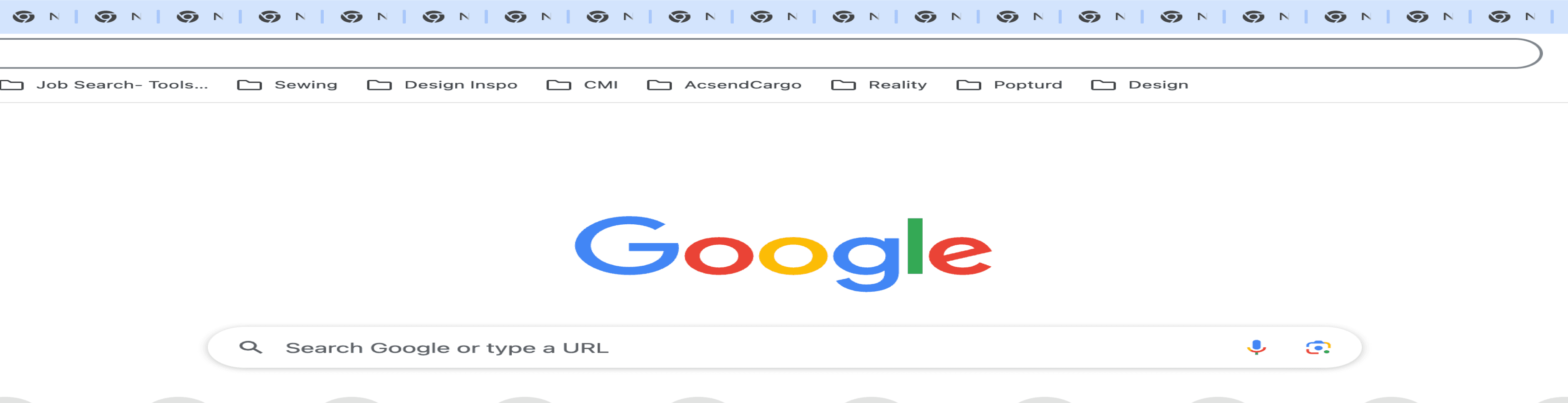
THE DESIGN DECISION-permanent tabs capped per module, closable tabs capped at 15
THE DESIGN DECISION-permanent tabs capped per module, closable tabs capped at 15
THE DESIGN DECISION-permanent tabs capped per module, closable tabs capped at 15
THE DESIGN DECISION-permanent tabs capped per module, closable tabs capped at 15
Each module got a permanent tab structure sized to what that workflow needed. Closable tabs capped at 15 — enough for complex multi-task workflows, few enough to stay readable without side scrolling. The cap wasn’t a limitation. It was the design holding the experience together under pressure.
Each module got a permanent tab structure sized to what that workflow needed. Closable tabs capped at 15 — enough for complex multi-task workflows, few enough to stay readable without side scrolling. The cap wasn’t a limitation. It was the design holding the experience together under pressure.
Each module got a permanent tab structure sized to what that workflow needed. Closable tabs capped at 15 — enough for complex multi-task workflows, few enough to stay readable without side scrolling. The cap wasn’t a limitation. It was the design holding the experience together under pressure.
Each module got a permanent tab structure sized to what that workflow needed. Closable tabs capped at 15 — enough for complex multi-task workflows, few enough to stay readable without side scrolling. The cap wasn’t a limitation. It was the design holding the experience together under pressure.
02
02
One ecosystem, not one app
One ecosystem, not one app
One ecosystem, not one app
Users and advisors kept saying the same things. Reduce the onboarding time. Make it intuitive. Make it seamless. The industry’s tools had always required weeks of training just to navigate.
Users and advisors kept saying the same things. Reduce the onboarding time. Make it intuitive. Make it seamless. The industry’s tools had always required weeks of training just to navigate.
THE DESIGN DECISION-shared visual language as a research response
THE DESIGN DECISION-shared visual language as a research response
THE DESIGN DECISION-shared visual language as a research response
The design system wasn’t built for consistency’s sake. It was built because users told us weeks of onboarding was one of the biggest costs they carried. If every module felt like a different product, we’d have rebuilt the same problem in a new interface. Shared visual language meant learning one module made you faster at every other one. The onboarding tax, designed out of existence.
The design system wasn’t built for consistency’s sake. It was built because users told us weeks of onboarding was one of the biggest costs they carried. If every module felt like a different product, we’d have rebuilt the same problem in a new interface. Shared visual language meant learning one module made you faster at every other one. The onboarding tax, designed out of existence.
The design system wasn’t built for consistency’s sake. It was built because users told us weeks of onboarding was one of the biggest costs they carried. If every module felt like a different product, we’d have rebuilt the same problem in a new interface. Shared visual language meant learning one module made you faster at every other one. The onboarding tax, designed out of existence.
The design system wasn’t built for consistency’s sake. It was built because users told us weeks of onboarding was one of the biggest costs they carried. If every module felt like a different product, we’d have rebuilt the same problem in a new interface. Shared visual language meant learning one module made you faster at every other one. The onboarding tax, designed out of existence.
I made a deliberate decision early. Every module — tracking, documentation, communication, billing — would belong to the same visual and interaction family. Shared components. Consistent patterns. The same logic applied across every surface.
Not because it was the tidy design system choice. Because the research demanded it.
I made a deliberate decision early. Every module — tracking, documentation, communication, billing — would belong to the same visual and interaction family. Shared components. Consistent patterns. The same logic applied across every surface.
Not because it was the tidy design system choice. Because the research demanded it.
03
03
Standalone by design
Standalone by design
The founder’s vision was clear — clients could buy into Ascend one module at a time. That business decision created a design problem. Every module had to feel complete on its own.
The founder’s vision was clear — clients could buy into Ascend one module at a time. That business decision created a design problem. Every module had to feel complete on its own.
That meant designing each module with its own internal coherence. Its own navigation logic. Its own complete workflow. And doing that while making sure the modules still felt like they belonged to the same family.
That meant designing each module with its own internal coherence. Its own navigation logic. Its own complete workflow. And doing that while making sure the modules still felt like they belonged to the same family.
That meant designing each module with its own internal coherence. Its own navigation logic. Its own complete workflow. And doing that while making sure the modules still felt like they belonged to the same family.
THE DESIGN DECISION-shared visual language as a research response
THE DESIGN DECISION-shared visual language as a research response
THE DESIGN DECISION-shared visual language as a research response
A client with shipment management but not billing didn’t hit a wall — they had a full, functional experience within that module. What you had always worked. What you added only made it better.
Modularity wasn’t an architectural footnote. It was a product promise.
A client with shipment management but not billing didn’t hit a wall — they had a full, functional experience within that module. What you had always worked. What you added only made it better.
Modularity wasn’t an architectural footnote. It was a product promise.
A client with shipment management but not billing didn’t hit a wall — they had a full, functional experience within that module. What you had always worked. What you added only made it better.
Modularity wasn’t an architectural footnote. It was a product promise.
08 · Impact — closING the loop
08 · Impact — closING the loop
FIRST CLIENT ·
FIRST CONTRACT ·
BEFORE IT SHIPPED
FIRST CLIENT · FIRST CONTRACT ·
BEFORE IT SHIPPED
FIRST CLIENT ·
FIRST CONTRACT ·
BEFORE IT SHIPPED
FIRST CLIENT · FIRST CONTRACT · BEFORE IT SHIPPED
FIRST CLIENT ·
FIRST CONTRACT ·
BEFORE IT SHIPPED
$1.5B
$1.5B
$1.5B
$1.5B
Client valuation. A top-10 pet food company moving $100–200M in product annually.
Client valuation. A top-10 pet food company moving $100–200M in product annually.
They didn’t wait for the platform to be complete. They signed before it was. That outcome wasn’t just about shipping screens — it was the result of building the right foundation. Research that made every sprint smarter. Decisions that held up under pressure. A product vision translated into something people could believe in before it was fully built.
Eight months. One designer. Five products.
They didn’t wait for the platform to be complete. They signed before it was. That outcome wasn’t just about shipping screens — it was the result of building the right foundation. Research that made every sprint smarter. Decisions that held up under pressure. A product vision translated into something people could believe in before it was fully built.
Eight months. One designer. Five products.
“I left Ascend with three things that didn’t exist when I arrived: a product, a process, and a proof of concept.”
“I left Ascend with three things that didn’t exist when I arrived: a product, a process, and a proof of concept.”
“I left Ascend with three things that didn’t exist when I arrived: a product, a process, and a proof of concept.”
“I left Ascend with three things that didn’t exist when I arrived: a product, a process, and a proof of concept.”
09 · Reflection
09 · Reflection
The design was right. The communication around it could have been better.
The design was right. The communication around it could have been better.
The design was right. The communication around it could have been better.
Every PM owned a different product. But the integration points between those products, that’s where the communication could have improved. I was usually the only one in the room who understood how all five talked to each other. I was making that work informally. Catching things in the gaps, facilitating alignment when conflicts showed up. It held together. But looking back I would have made cross-product alignment a standing ritual much earlier. Not something I pulled together when things got complicated. Something we did before they could.
If I do this again, and I will, that’s the first thing I would integrate. A room where everyone understands how the pieces connect.
Every PM owned a different product. But the integration points between those products, that’s where the communication could have improved. I was usually the only one in the room who understood how all five talked to each other. I was making that work informally. Catching things in the gaps, facilitating alignment when conflicts showed up. It held together. But looking back I would have made cross-product alignment a standing ritual much earlier. Not something I pulled together when things got complicated. Something we did before they could.
If I do this again, and I will, that’s the first thing I would integrate. A room where everyone understands how the pieces connect.
Every PM owned a different product. But the integration points between those products, that’s where the communication could have improved. I was usually the only one in the room who understood how all five talked to each other. I was making that work informally. Catching things in the gaps, facilitating alignment when conflicts showed up. It held together. But looking back I would have made cross-product alignment a standing ritual much earlier. Not something I pulled together when things got complicated. Something we did before they could.
If I do this again, and I will, that’s the first thing I would integrate. A room where everyone understands how the pieces connect.
That’s the thing I’d carry into the next team.
That’s the thing I’d carry into the next team.
That’s the thing I’d carry into the next team.
10 · all works
work

DESIGN LEAD
•
ENTERPRISE
•
TEAM OF RESEARCH, PRODUCT AND DEVELOPMENT
JPMorgan Chase — Guest Management
Creating cross-functional rhythm on a 1M+ guest system.
90% satisfaction. Shared cadences where none existed.
1M+
GUESTS →

DIRECTOR OF UX
•
Team of 9
Connecting Mothers Initiative
Built a design function from scratch, leading a team of 9 to create a platform mothers could trust. Building 0 to 1.
9
MEMBER TEAM →

DESIGN LEAD
•
ENTERPRISE
•
FOUNDING DESIGNER
Ascend Cargo Systems
Physical security for 300K users, aligning firm compliance without fighting daily user experience.
1B+
First client valuation
10 · all works
other work
IMAGE
DIRECTOR OF UX
•
Team of 9
Connecting Mothers Initiative
Built a design function from scratch, leading a team of 9 to create a platform mothers could trust.
9
MEMBER TEAM →
DESIGN LEAD
•
ENTERPRISE
•
TEAM OF 15
JPMC — Guest Management
Creating cross-functional rhythm on a 1M+ guest system. 90% satisfaction. Shared cadences where none existed.
1M+
GUESTS →
10 · all works
other work
DIRECTOR OF UX
•
Team of 9
Connecting Mothers Initiative
Built a design function from scratch, leading a team of 9 to create a platform mothers could trust.
9
MEMBER TEAM →
LEAD
•
ENTERPRISE
•
TEAM OF 15
JPMC — Guest Management
Creating cross-functional rhythm on a 1M+ guest system. 90% satisfaction. Shared cadences where none existed.
1M+
GUESTS →
10 · all works
other work
DIRECTOR OF UX
•
Team of 9
Connecting Mothers Initiative
Built a design function from scratch, leading a team of 9 to create a platform mothers could trust.
9
MEMBER TEAM →
DESIGN LEAD
•
ENTERPRISE
•
TEAM OF 15
JPMC — Guest Management
Creating cross-functional rhythm on a 1M+ guest system. 90% satisfaction. Shared cadences where none existed.
1M+
GUESTS →